Skip to content

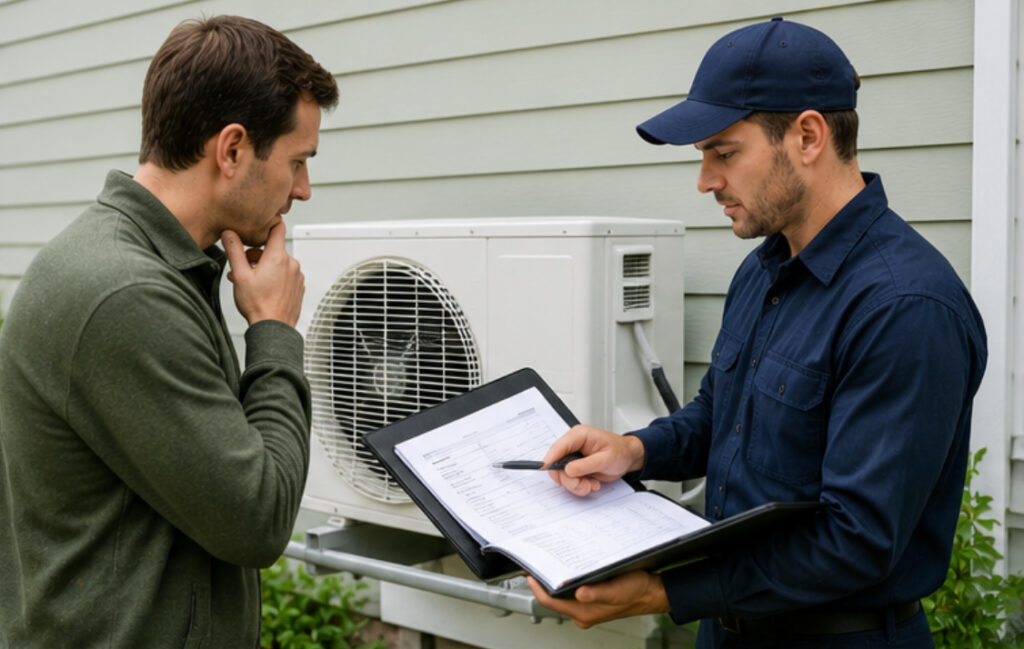
Choosing a heat pump is only half of the investment. The contractor installing it has just as much influence on how efficiently the system performs, how long it lasts, and whether it qualifies for manufacturer warranties and available rebates. Before signing a proposal, it’s worth taking a closer look at the installer’s qualifications rather than focusing only on the price.
This is especially important in Massachusetts, where homeowners often invest in high-efficiency heat pumps to improve comfort and reduce energy costs. An experienced, properly certified installer understands system sizing, airflow, electrical requirements, and local building codes, helping ensure your new heat pump performs as expected for years to come.
Why Do Certifications Matter When Installing a Heat Pump?

Installing a heat pump involves far more than replacing an old heating or cooling system. Today’s high-efficiency models rely on proper equipment sizing, refrigerant charging, airflow balancing, electrical integration, and system commissioning to deliver the comfort and energy savings they’re designed for. Even a premium heat pump can underperform if any of these steps are overlooked.
For Massachusetts homeowners, certifications provide a practical way to evaluate an installer’s qualifications before signing a proposal. They show that the contractor has completed industry training, understands manufacturer installation requirements, follows current codes and safety standards, and is committed to professional workmanship. The certifications below are some of the most important credentials to look for when choosing a heat pump installer.
EPA Section 608 Certification
Every technician who installs or services a heat pump that contains refrigerant should hold an EPA Section 608 Certification. This federal certification is legally required for anyone who handles refrigerants used in residential and commercial HVAC equipment. Without it, a technician cannot legally recover, charge, or open the sealed refrigerant system.
During a heat pump installation, proper refrigerant handling directly affects system efficiency, compressor reliability, and long-term performance. An EPA-certified technician understands refrigerant recovery procedures, leak prevention, evacuation requirements, charging methods, and environmental regulations that protect both the equipment and the environment.
For homeowners, verifying EPA Section 608 certification provides confidence that the installation follows federal requirements while helping protect manufacturer warranty coverage. If a contractor cannot confirm this certification, it’s worth asking additional questions before signing the proposal.
Manufacturer Factory Training

Not every heat pump is installed the same way. Modern systems such as MRCOOL® feature inverter-driven compressors, electronic expansion valves, variable-speed fans, and advanced control boards that require manufacturer-specific installation procedures. Contractors who complete manufacturer factory training learn the recommended installation, commissioning, and startup processes for those systems.
Factory-trained installers are also familiar with equipment-specific airflow requirements, refrigerant charging procedures, communication wiring, and controller setup. These details often determine whether the heat pump achieves its published efficiency ratings and delivers consistent heating and cooling throughout the year.
Before signing a proposal, ask whether the contractor regularly installs your selected heat pump brand and has completed manufacturer training. Experience with the specific equipment often reduces installation errors while supporting long-term system reliability.
Massachusetts HVAC Licensing and Trade Licensing
Although Massachusetts does not issue a single statewide HVAC contractor license, heat pump installations frequently involve regulated trades that require licensed professionals. Electrical work must generally be completed by a licensed Massachusetts electrician, while gas piping, when applicable in hybrid systems, requires the appropriate plumbing or gas fitting license.
Professional contractors understand local permitting requirements, Massachusetts building codes, and mechanical code requirements before beginning installation. They also coordinate inspections when required, helping ensure the completed project meets applicable state and local regulations.
Homeowners should ask who will perform the electrical work, who will obtain permits, and whether licensed trade professionals will complete all regulated portions of the installation. Clear answers demonstrate professionalism and proper project planning.
NATE Certification (North American Technician Excellence)
While NATE Certification is voluntary rather than legally required, it remains one of the HVAC industry’s most respected professional credentials. Technicians earn NATE certification by passing comprehensive examinations covering system installation, airflow, electrical diagnostics, refrigeration, heat pump operation, and equipment performance.
For heat pump installations, NATE-certified technicians understand the importance of proper airflow measurement, refrigerant charging, static pressure testing, thermostat configuration, and overall system commissioning. These practices help ensure the equipment performs efficiently during both Massachusetts winters and summer cooling seasons.
Many experienced contractors invest in NATE certification because it demonstrates a commitment to continuing education and recognized industry standards. While it shouldn’t be the only qualification you consider, it is an excellent indicator that the installer has developed advanced technical knowledge beyond basic licensing requirements.
OSHA Safety Training
Installing a heat pump often requires technicians to work with electrical systems, rooftop equipment, ladders, refrigerants, and heavy outdoor units. Contractors whose technicians have completed OSHA safety training demonstrate that they have received formal instruction on workplace safety, hazard recognition, fall protection, electrical awareness, and safe equipment handling.
Professional safety training helps reduce jobsite accidents while protecting both technicians and homeowners during the installation process. Although OSHA certification doesn’t measure HVAC technical ability, it reflects a contractor’s commitment to maintaining safe working practices on every project.
Choosing a contractor that invests in ongoing safety training often results in a more organized and professional installation experience.
Mass Save® Heat Pump Installer Network (When Applicable)
Massachusetts homeowners planning to take advantage of Mass Save® heat pump rebates should verify whether their contractor participates in the Mass Save Heat Pump Installer Network, when applicable. Contractors participating in approved rebate programs are generally familiar with current incentive requirements, documentation, and installation standards needed for qualifying projects.
Working with an experienced HVAC contractor can help simplify the rebate process while reducing paperwork errors that may delay incentive approval. Before signing a proposal, ask whether the installer can explain available rebates, required documentation, and any program eligibility requirements that apply to your project.
What Questions Should You Ask Before Signing a Proposal?

A detailed proposal should explain much more than the price of the equipment. Asking a few important questions helps you understand how the contractor plans to design and install the system, while also giving you confidence in the quality of the work.
- Will you perform a Manual J load calculation? Proper sizing is one of the most important factors affecting comfort and efficiency.
- Is ductwork included in the evaluation? Existing ducts should be inspected to ensure they can support the new heat pump.
- What equipment is included in the proposal? Ask about the indoor unit, outdoor unit, thermostat, and any accessories.
- What warranties are provided? Understand both the manufacturer’s warranty and the contractor’s workmanship warranty.
- Will the system be tested after installation? Airflow, refrigerant levels, and overall system performance should all be verified before the project is complete.
Taking the time to ask these questions helps homeowners compare proposals based on quality instead of price alone. It also reduces the risk of unexpected costs or installation issues after the project begins.
What Additional Costs Should You Budget For?
The price of the heat pump is only one part of the overall project. During an in-home estimate, your HVAC contractor may recommend upgrades that improve performance, increase efficiency, or ensure the installation meets current building standards. Planning for these items ahead of time helps prevent unexpected costs later.
| Potential Upgrade | Why It May Be Needed |
|---|---|
| Smart thermostat | Improves temperature control and maximizes heat pump efficiency. |
| New refrigerant line set | Ensures compatibility with the new equipment and reliable system performance. |
| Duct sealing or repairs | Reduces conditioned air loss and improves airflow throughout the home. |
| Electrical panel upgrades | Provides adequate power for the new heat pump if the existing panel is outdated. |
| Condensate drainage improvements | Helps protect your home from future water drainage issues. |
Not every installation requires these upgrades, but addressing them during the project often improves long-term reliability and helps the heat pump operate more efficiently.
Choose the Right Installer, Not Just the Lowest Price
A professionally installed heat pump should deliver reliable comfort, lower operating costs, and dependable performance for years to come. Before signing any proposal, choose a contractor who can clearly explain their certifications, installation process, equipment sizing, and commissioning procedures. An experienced heat pump installer will answer your questions, inspect your home’s specific heating and cooling needs, and recommend the right solution rather than offering a one-size-fits-all installation.
Why Choose Peach Heat & Cool for Heat Pump Installation in Southeastern Massachusetts?
Choosing a certified installer is one of the most important decisions you’ll make when investing in a new heat pump. At Peach Heat & Cool, we combine MRCOOL® expertise, industry-recognized training, and proven installation practices to ensure every system is properly sized, commissioned, and tested for reliable year-round performance. Our team follows manufacturer guidelines and industry best practices so your investment delivers the comfort and efficiency it’s designed to provide.
Whether you’re planning your first heat pump installation or comparing proposals from contractors across Taunton, Bristol County, and Southeastern Massachusetts, we’re here to help you make an informed decision. We’ll explain your options clearly, answer your questions about certifications and installation standards, and provide a professional heat pump installation solution you can feel confident choosing.