

If you are considering a heat pump for your Massachusetts home, the model’s cold-weather performance is only part of the decision. Mass Save rebate eligibility depends on specific equipment requirements, so a unit that handles freezing temperatures well may not qualify under the program’s current rules.
Before choosing a system, check whether the exact model meets the applicable ENERGY STAR Cold Climate criteria and appears on Mass Save’s qualified products list. You should also confirm the required indoor and outdoor unit pairing and installer eligibility before ordering, especially if you want to keep your existing oil or propane furnace as backup.
Mass Save offers apply only where Berkshire Gas, Cape Light Compact, Eversource, Liberty Utilities, National Grid or Unitil is the program sponsor. If your electricity comes from a municipal light plant, check its own heat pump rebates instead.
Mass Save’s 2026 Cold-Climate Requirement Explained

In practice, a heat pump does need a cold-climate rating to earn a Mass Save rebate. An air-source heat pump moves heat instead of burning fuel, pulling warmth from outdoor air in winter and reversing in summer to cool. For 2026, Mass Save requires the equipment to meet ENERGY STAR Cold Climate criteria, appear on the Mass Save Heat Pump Qualified Products List and be installed by a contractor in the Heat Pump Installer Network. Missing any one of those can cost you the rebate.
There is a catch here. A cold-climate rating alone does not settle it, because an ENERGY STAR label does not automatically carry the Cold Climate designation, and program rules can shift year to year. For 2026, Mass Save also removed every model that uses R-410A refrigerant from its qualified list. Review the current Mass Save rebate details against the exact equipment on your quote, since the next sections explain what the designation measures and why it exists.
What Does ENERGY STAR Cold Climate Actually Mean?

The Cold Climate designation measures how much heat a unit still delivers when the outdoor temperature drops, not just how it performs on a mild day. To earn it, a heat pump tested at 5°F must keep at least 70% of its 47°F heating capacity and reach a COP, or heat delivered per unit of electricity used, of at least 1.75, according to ENERGY STAR’s heat pump specification. That low-temperature test is why Mass Save ties the rebate to the designation and not to any ENERGY STAR model.
Capacity is stated in BTU per hour, which helps to translate into the tonnage you hear quoted. A 24,000 BTU/h unit equals 2 tons of nominal capacity, so run your own model’s rating through that arithmetic before comparing it to your home’s heating load. Many of these installations are ductless mini-split heat pumps, which heat and cool without ductwork and suit older homes well.
Does Your Heat Pump Installer Affect Mass Save Eligibility?
Yes. Choosing the right heat pump contractor is an important part of qualifying for Mass Save rebates. Even if your equipment meets the applicable cold-climate criteria, your project may not qualify if the installer does not meet the program’s contractor requirements. Confirm the contractor’s Heat Pump Installer Network status before signing an agreement or ordering equipment.
A qualified HVAC contractor should also verify the exact indoor and outdoor model numbers, calculate your home’s heating load, and review the requirements for your intended rebate pathway.
If you plan to keep an oil or propane furnace as backup, ask how the proposed controls and switchover settings affect eligibility. Getting these details confirmed upfront can help you avoid unexpected costs after installation.
What Changes If You Keep Oil or Propane as Backup?
Keeping an oil or propane system moves your project to Mass Save’s partial-home path, which requires an integrated control from the program’s qualified list. That control must hand off to the backup no higher than 30°F for oil and 5°F for propane, according to Mass Save’s switchover rules.
Mass Save checks those settings during post-installation inspections, so confirm the switchover temperature before assuming the partial-home rebate applies to your setup.
How Do You Confirm a Heat Pump Model Qualifies Before You Buy?
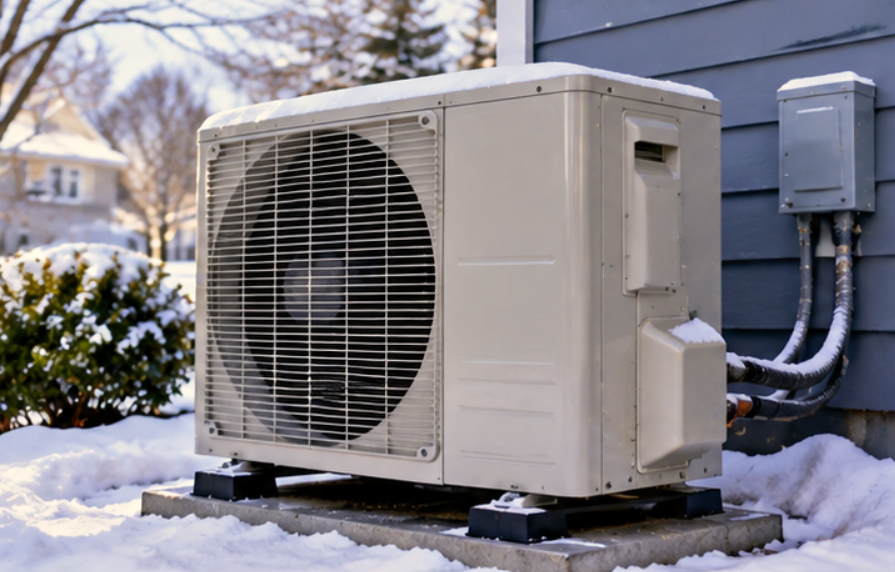
Confirming eligibility is a short, repeatable process, and it is the part that protects your money. Work through it before any deposit changes hands, and do not let anyone talk you into upgrading equipment purely to chase a rebate until eligibility is actually confirmed. The checks below settle it in the right order:
Match the Exact Model Numbers, Indoor and Outdoor
A heat pump is a pairing, and both halves carry model numbers. Write down the outdoor condenser number and the indoor unit number exactly as they appear on your quote. A single outdoor unit can form a qualifying combination with one indoor model and a non-qualifying one with another, so a near match is not a match. The precise alphanumeric string is what the list is checked against.
Check the Qualified Products List, Not the Brochure
A manufacturer brochure may describe equipment as cold-climate capable, but the Mass Save Heat Pump Qualified Products List is the record that settles equipment eligibility. Search the list by your exact model numbers, both indoor and outdoor. If the pairing is not listed, it does not qualify at that moment, regardless of what the marketing material says or how efficient the unit genuinely is.
Confirm Which Rebate Path Applies
Whole-home electric and partial-home-with-backup are different paths with different requirements and different rebate amounts. Knowing which one your project falls under tells you which rules to check against. A model fine for one path may need extra conditions met on the other, so settle the path before you settle the equipment. This keeps you from qualifying on paper for the wrong program.
Verify the Installer Is in the Network
Ask the heat pump contractor directly whether they participate in the Heat Pump Installer Network, and confirm it independently if you can. The condenser can be flawless and the list lookup clean, and the rebate still fails if the installing company sits outside the network. This takes one question and prevents the most avoidable loss of all.
Do Not Pay a Deposit Until It Is Confirmed
Hold the deposit until the model, the path, and the installer all check out. Once equipment is ordered and installed, switching to a qualifying alternative is expensive and sometimes impossible, and the rebate is already gone. The order matters here: confirm first, commit second. A contractor who would rather help you make the right long-term choice than push a sale will welcome that verification rather than rush you past it.
Before moving forward, make sure every eligibility detail is confirmed and documented. Working with a knowledgeable HVAC contractor can help you avoid costly surprises and choose equipment that fits your home’s heating needs. If you’re planning a heat pump installation, confirm the model pairing, rebate requirements, and installer eligibility before placing your order.
Frequently Asked Questions About Cold-Climate Heat Pump Rebates
Where do I find the Mass Save qualified products list?
It is the Mass Save Heat Pump Qualified Products List, published on MassSave.com. Match both the outdoor and indoor model numbers from your quote exactly, since a single system can have qualifying and non-qualifying pairings. The precise string matters, so copy it down rather than relying on the product name.
Does the rebate change if I go whole-home electric instead of keeping backup?
Yes. Whole-home and partial-home paths carry different requirements and different rebate levels, so confirm which path your project falls under before choosing equipment. The whole-home path also requires a weatherized home and a signed whole-home verification form.
Can I claim the rebate if I buy the equipment online myself?
Only if a contractor in the Heat Pump Installer Network installs it. Mass Save requires a network installer for 2026, so equipment you buy and install yourself does not qualify, whatever its rating. Check with the installer before you buy, since they must confirm the exact model pairing is on the qualified list.
Does a ductless mini-split qualify the same way a ducted system does?
Many ductless mini-splits carry the ENERGY STAR Cold Climate designation and qualify, which is why they are common in older Massachusetts homes without ductwork. Eligibility still depends on the specific model and the indoor-outdoor pairing. Check the exact combination on the list the same way you would for a ducted system.
Is financing available while I wait on rebate paperwork?
Massachusetts homeowners may use the 0% interest Mass Save HEAT Loan for qualifying projects, which many people pair with the rebate. Your installer can help confirm whether your equipment and project qualify for the loan, and how it fits alongside the rebate you are claiming.
Why Choose Peach Heat and Cool for Heat Pump Installation in Massachusetts?
Choosing the right heat pump involves more than selecting equipment. Peach Heat and Cool helps homeowners understand their installation options, check applicable Mass Save rebate requirements, and choose a system suited to their home’s heating and cooling needs. As the nation’s first MRCOOL® franchisee, Peach Heat and Cool also helps with the rebate paperwork, so you know the steps needed to pursue an available incentive.
Whether you need a complete heat pump installation or a ductless mini-split installation, confirm the equipment model, qualified product pairing, and applicable rebate requirements before ordering. Rebate eligibility depends on current program rules and your specific installation, so support does not guarantee approval. Call Peach Heat and Cool at (774) 433-1398 to discuss your project and take the next step toward a properly sized, rebate-eligible heat pump system.