

If your Massachusetts home relies on an oil or propane furnace or boiler, switching to a heat pump does not necessarily mean giving up your existing heating system. Mass Save offers a partial-home rebate pathway for eligible installations that retain backup heating, but the equipment and controls must meet specific program requirements.
Before choosing a system, you need to know which heat pump models qualify, how the backup furnace must operate, and what switchover settings apply to your fuel type. Understanding these details before installation can help you avoid unexpected costs and determine whether your home qualifies for an available rebate.
One more check comes first. Mass Save rebates are offered only where Berkshire Gas, Cape Light Compact, Eversource, Liberty Utilities, National Grid or Unitil sponsors the program, so homes served by a municipal light plant should look at municipal utility heat pump rebates instead.
How the Mass Save Partial-Home Path Works With Oil or Propane
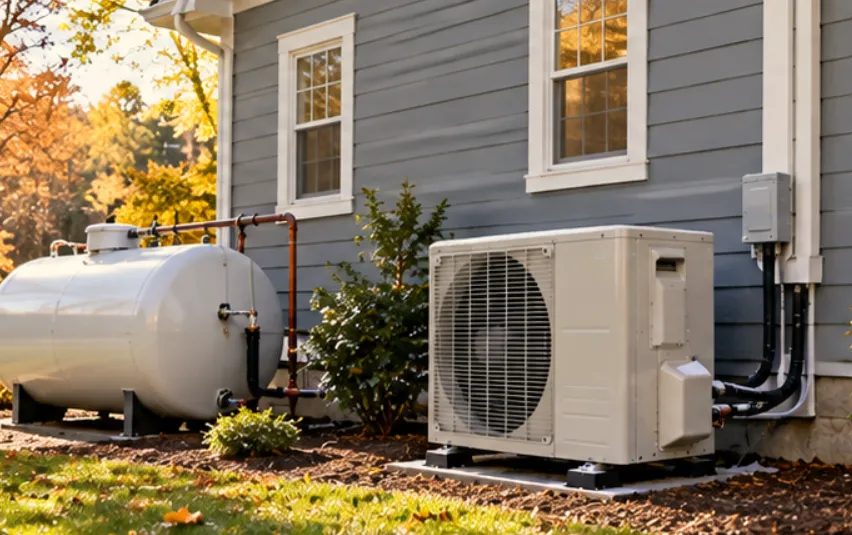
The partial-home path exists precisely for this situation. Mass Save’s current switchover caps for keeping fossil backup are 30 degrees Fahrenheit for oil and 5 degrees for propane. A system set to hand off above those points fails the partial-home rule and loses eligibility. Each cap is a ceiling, so a lower setting is always allowed.
Many older Massachusetts homes still run oil or propane with the ducts or piping already in place, which is exactly the case this path was built for. Keeping that system as backup avoids the cost of full electrification while the heat pump handles the milder heating hours. Program amounts and terms change, so confirm the current Mass Save rebate details before you plan around a figure.
How Does a Heat Pump With Fossil Backup Actually Work?
A heat pump transfers heat from outdoor air into your home rather than generating heat by burning fuel. In a dual-fuel system, the heat pump typically handles everyday heating, while your existing oil or propane furnace provides backup when outdoor temperatures reach the system’s programmed switchover point. This setup combines electric heating with a familiar backup heat source.
Here is how the two systems work together.
- Heat pump operation: Moves heat indoors during milder weather and many cold-weather conditions.
- Fossil-fuel backup: Uses your existing oil or propane furnace when the system’s controls call for it.
- Automatic switchover: Compatible controls determine when the system changes from heat pump to furnace operation.
- Coordinated heating: The control setup manages the transition between the two heat sources according to the system configuration.
- Seasonal flexibility: The heat pump can also provide air conditioning during warmer months.
The actual switchover temperature depends on the equipment, system design, and applicable Mass Save requirements. If you want to retain your existing furnace, have a qualified contractor assess compatibility and confirm that the proposed controls meet the requirements for the rebate pathway you plan to use.
Which Heat Pumps Qualify for a Dual-Fuel Mass Save Rebate?
For 2026, Mass Save heat pump rebates require equipment that meets ENERGY STAR Cold Climate criteria and appears on the Mass Save Heat Pump Qualified Products List. However, a manufacturer’s claim that a unit is designed for cold weather does not automatically establish rebate eligibility. The exact equipment combination and applicable program rules must be checked before you buy.
Confirm these details before selecting a system.
- Cold-climate qualification: Check whether the equipment meets the applicable ENERGY STAR Cold Climate criteria.
- Exact model numbers: Verify the indoor and outdoor units against the relevant Mass Save qualified products list.
- AHRI match: Confirm that the specific equipment combination meets the program’s requirements.
- System capacity: Have a contractor calculate your home’s heating load and select suitable equipment.
- Rebate pathway: Check any additional requirements that apply if you plan to keep an oil or propane furnace as backup.
For Massachusetts homes without existing ductwork, a ductless mini-split may be worth considering. These systems use an outdoor unit connected to indoor units without requiring conventional duct runs. For reference, a 24,000 BTU/h system represents approximately two tons of nominal cooling capacity, but the right size depends on your home’s calculated heating and cooling loads. Explore available heat pump options and confirm model eligibility before placing an order.
Which Integrated Controls Make a Dual-Fuel System Eligible?
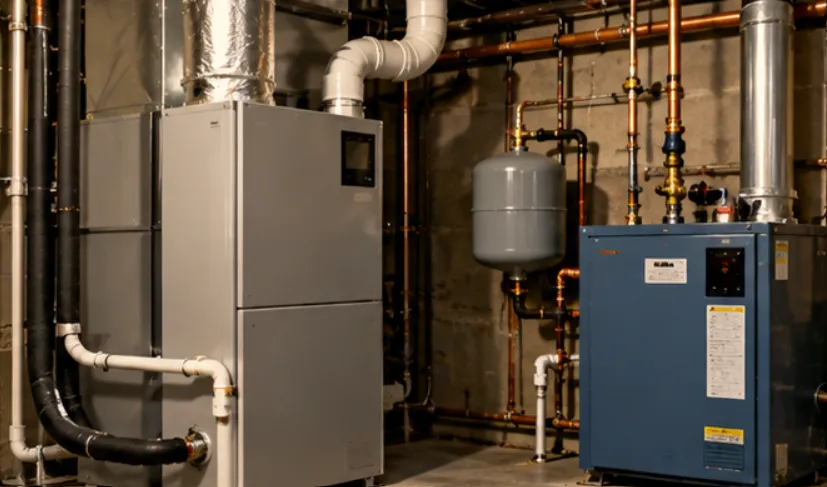
Keeping your existing oil or propane furnace as backup may be possible under Mass Save’s partial-home rebate pathway, but the system must meet specific program requirements. The control setup matters because it determines when the heat pump operates and when the backup furnace takes over during colder weather.
Integrated Dual-Fuel Controls
A qualifying dual-fuel setup uses compatible controls to coordinate the heat pump and existing furnace. These controls manage the transition between heating sources based on outdoor conditions and system settings. The equipment configuration and control strategy must meet the requirements for the applicable Mass Save rebate pathway.
Required Switchover Temperature Settings
The switchover temperature determines when the system stops relying on the heat pump and switches to the oil or propane furnace. Mass Save caps it at 30°F for oil and 5°F for propane, and its switchover temperature calculator shows the most cost-effective setting for current fuel prices, which is often below the cap.
Coordinated Thermostat Operation
The heat pump and backup furnace need a compatible control arrangement that manages their operation together. Mass Save requires an integrated control from its qualified list, so two independent thermostats do not meet the requirement. Have the installer verify that the proposed controls meet the applicable dual-fuel requirements before installation.
Automatic Switching During Cold Weather
With a properly configured dual-fuel system, the controls manage the transition between the heat pump and furnace automatically. When outdoor conditions reach the programmed switchover point, the system changes heating sources according to its approved setup. Correct configuration helps maintain reliable heating while following the program’s operating requirements.
Heat Pump Installer Network Requirements
Equipment and controls must meet the applicable program rules, and the installation must satisfy Mass Save’s contractor requirements. Before signing a contract, confirm that your installer participates in the Heat Pump Installer Network and can verify the system configuration, backup-fuel arrangement, and required documentation for your rebate pathway.
Keeping oil or propane heat as backup can offer flexibility during cold weather, but rebate eligibility depends on more than retaining your existing furnace. Before committing to a system, work with a qualified contractor to verify the equipment, controls, switchover settings, and current Mass Save requirements for your home.
How Often Will Oil or Propane Backup Run in a Massachusetts Winter?
It depends mostly on the switchover setting. Propane is capped at 5°F, so a propane backup fires only on the coldest nights of a Massachusetts winter. Oil is capped at 30°F, which means an oil backup set at the cap can run on many winter nights, while a lower setting shifts more of those hours to the heat pump and cuts your oil use further.
Keeping backup does add one practical cost. You now have two heating systems to look after, so the oil or propane equipment still needs its usual yearly service to be ready on the nights it runs.
Partial-Home vs Whole-Home Mass Save Rebates: Which Fits Your Home?
The choice comes down to what you keep and what you give up. Going whole-home makes the heat pump your primary heating system and earns the larger incentive, while the partial-home path keeps your backup and earns a reduced amount. The table shows where each one makes sense, and our post on whole-home heat pump rebates covers that path in detail.
| Path | What happens to your existing heat | Why a homeowner chooses it |
|---|---|---|
| Partial-home (dual-fuel) | Oil or propane stays as backup | Smaller change, a familiar backup for deep cold, smaller rebate |
| Whole-home | Heat pump replaces it as the primary heating system | Largest rebate, needs a weatherized home and a signed verification form |
| Single-room mini-split | Existing heat stays in the rest of the home | Targets one cold room or an addition; confirm which rebate path applies |
The partial-home path can be a sensible bridge for a homeowner on aging oil equipment, with efficient daily heating and a familiar safety net for the coldest nights.
How to Confirm Your Dual-Fuel Setup Qualifies for Mass Save
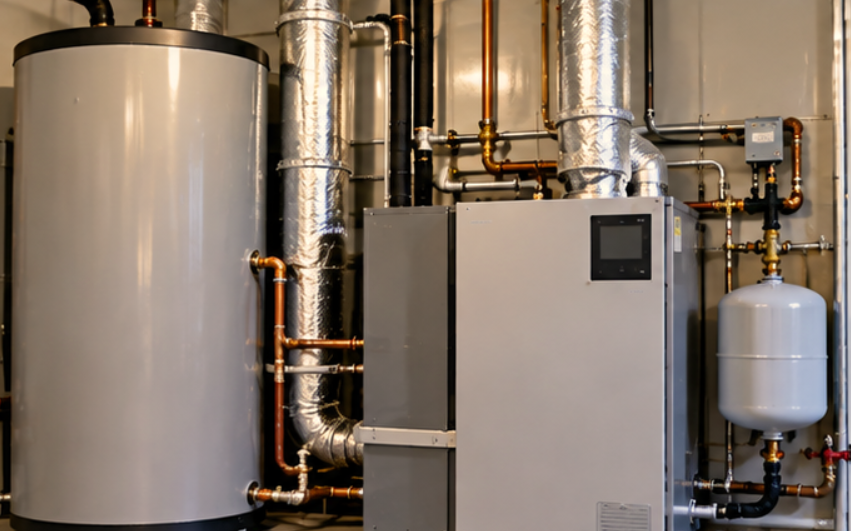
Before paying a deposit, confirm that your proposed heat pump and backup heating arrangement meet the current Mass Save rebate requirements. A cold-climate rating alone does not guarantee eligibility. Check the exact equipment combination, applicable rebate pathway, and integrated controls before ordering.
Use this checklist with your HVAC contractor.
- Model numbers: Verify the exact indoor and outdoor unit combination against the applicable qualified products list.
- Equipment match: Confirm any required AHRI-rated combination meets the program criteria.
- Rebate pathway: Determine whether your home qualifies under the applicable partial-home or dual-fuel option.
- Switchover settings: Confirm the required outdoor temperature setting for your oil or propane backup system.
- Installer eligibility: Verify that the contractor meets the Heat Pump Installer Network requirements for the rebate.
Peach Heat and Cool is the nation’s first MRCOOL® franchisee and helps homeowners evaluate heat pump options and navigate Mass Save requirements. Ask the team to review your proposed equipment, backup controls, and installer eligibility during the estimate. Request written confirmation of the details before equipment is ordered, and remember that final rebate approval depends on the current program rules and your completed installation.
Frequently Asked Questions About Keeping Oil or Propane Backup With Mass Save
Is the partial-home rebate smaller than the whole-home one?
Yes. Mass Save pays its largest incentive on the whole-home path, where the heat pump replaces fossil fuel as the primary heating system, and the partial-home path that keeps oil or propane backup earns a reduced amount. Confirm the current figures on MassSave.com before you plan around either number.
Can I set my own switchover temperature after the install?
You can set it lower, and Mass Save’s calculator often points to a setting below the cap. Raising it above the cap breaks the program terms, and Mass Save verifies the pre-set temperature during post-installation inspections. Leave the setting where your installer documented it unless you are lowering it.
Does my installer have to be in a specific program to qualify?
Yes. Mass Save requires the work be done by a participating Heat Pump Installer Network contractor for the rebate to count. A low quote from an outside installer can cost you far more than it saves if it disqualifies the incentive you were relying on.
Will keeping oil backup mean I still need yearly oil deliveries?
Usually yes, but fewer of them. With oil capped at 30°F, the backup can still run on many winter nights, so how much you save depends on the switchover setting and how cold the season gets. A lower setting shifts more hours to the heat pump and stretches each delivery further.
What happens to my old furnace in a dual-fuel setup?
It stays in place and becomes the backup stage, firing only below the switchover point. Integrated controls tie it to the heat pump so the two never fight each other, and it should still get an annual check so it is ready on the coldest nights.
Why Choose Peach Heat and Cool for a Dual-Fuel Heat Pump in Massachusetts?
Keeping your oil or propane furnace as backup while adding a heat pump can be a practical option for Massachusetts homeowners, but the equipment and controls must meet the applicable Mass Save requirements. Peach Heat and Cool can help you evaluate your home’s heating needs, review potential equipment options, and understand the eligibility checks to complete before committing to an installation.
A properly selected system can provide heating in winter and cooling in summer. If you are also considering targeted comfort for individual rooms, explore a ductless mini-split system. The Peach Heat and Cool rebate calculator is a good place to start before your visit.
Before choosing a system, discuss your existing furnace, equipment compatibility, control settings, and rebate pathway with Peach Heat and Cool. Call (774) 433-1398 to discuss your project and arrange a heat pump estimate for your home.