Skip to content

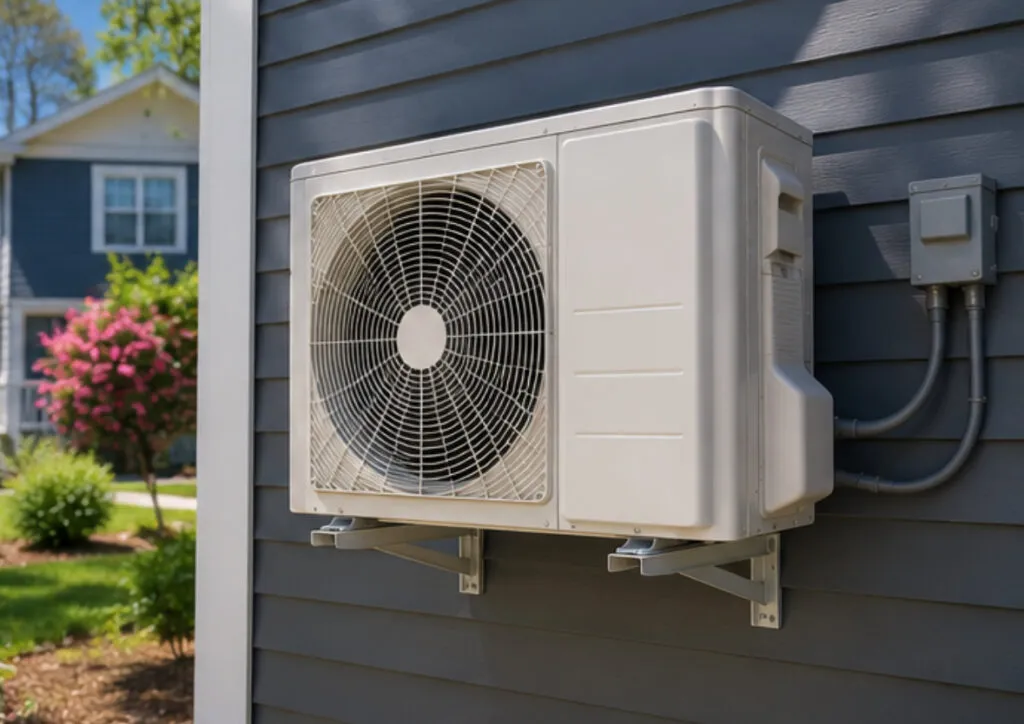
If one room in your home always feels too warm in July, you may be debating whether to install a simple window air conditioner or invest in a ductless mini-split. Both options can provide relief during Massachusetts summers, but they differ significantly in comfort, efficiency, noise level, and long-term value.
For homeowners in Taunton and across Massachusetts, this decision often comes down to how the space is used, whether year-round heating is desirable, and how much you want to invest in energy savings and comfort. Read below to compare window AC units and ductless mini splits so you can choose the best solution for your home.
Why Massachusetts Homeowners Are Comparing Window AC Units and Ductless Mini Splits
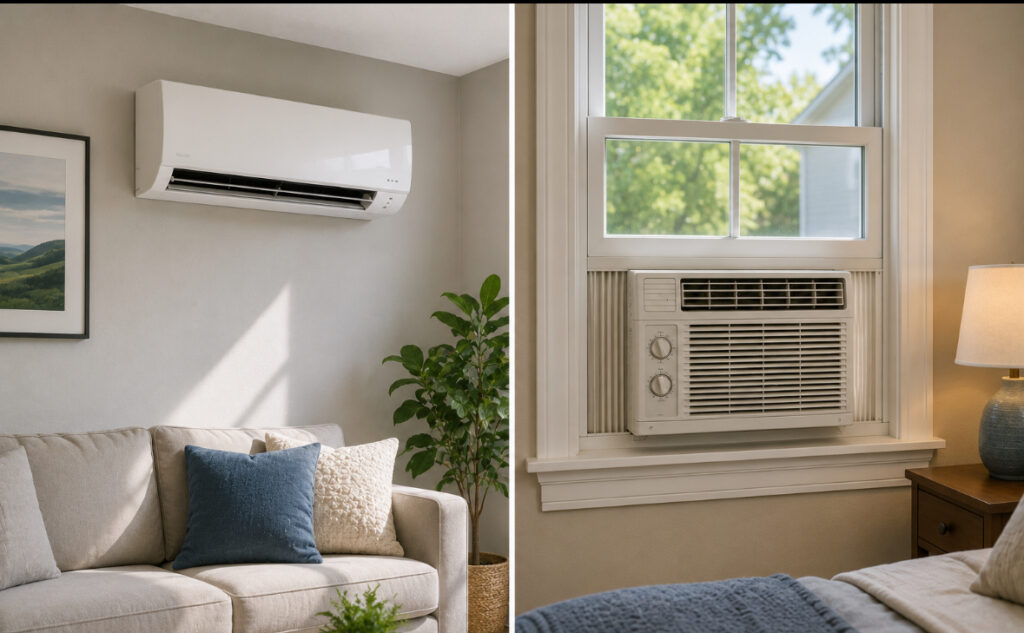
Window air conditioners have been a familiar summer solution in New England for decades. They are relatively inexpensive, easy to purchase, and can provide quick cooling for a single room. For apartments, older Cape-style homes, and second-floor bedrooms that overheat in July and August, a window unit may seem like the simplest option.
However, many homeowners are now considering ductless mini split systems because they offer far more than seasonal cooling. Modern mini splits provide both high-efficiency air conditioning and heating, making them ideal for finished basements, home offices, room additions, and older homes without existing ductwork.
Why More Homeowners Are Choosing Mini Splits
- Year-Round Comfort: Cooling in summer and heating in winter from one system.
- Lower Energy Consumption: Inverter-driven compressors adjust output to match demand.
- Quieter Operation: Indoor units are significantly quieter than most window AC units.
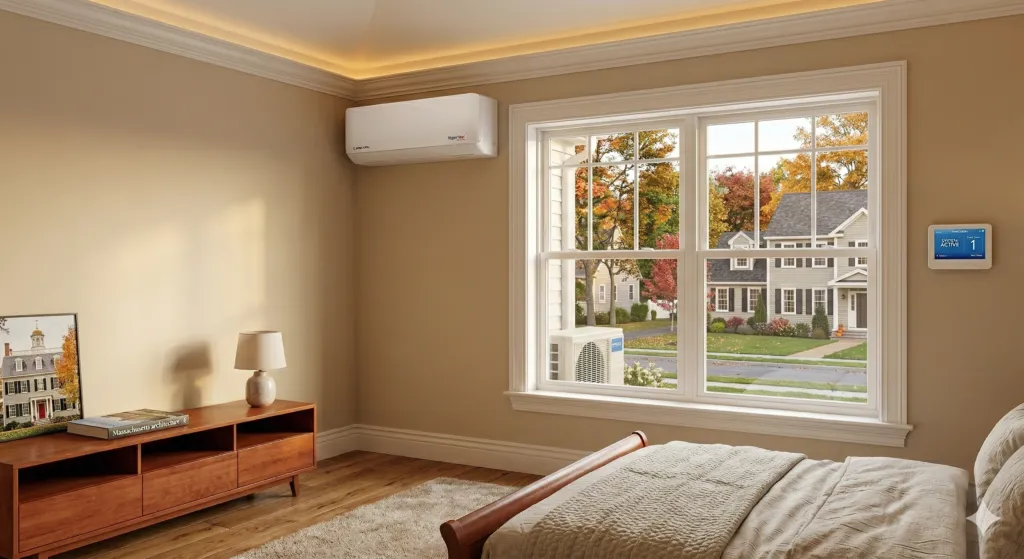
- No Blocked Windows: Natural light and outdoor views remain unobstructed.
- Potential Rebates: Programs such as Mass Save may offer valuable incentives.
For many Massachusetts homeowners, the decision is no longer about simply staying cool—it is about investing in a comfort solution that delivers long-term efficiency and flexibility.
How Window Air Conditioners Work and Where They Fit Best
window air conditioner units combine all cooling components into a single appliance that sits in a window opening. Warm indoor air is pulled across an evaporator coil, cooled, and returned to the room, while heat is exhausted outdoors.
These systems are often a practical choice when cooling needs are limited to one space and the homeowner wants a low upfront cost.
Best Uses for Window AC Units
Small Bedrooms and Apartments
Window units can be effective for cooling one room of approximately 150 to 500 square feet, depending on the system’s BTU rating.
Temporary Cooling Solutions
They work well when homeowners need immediate relief but are not ready to invest in a permanent installation.
Rental Properties
Because they require no structural modifications, window units are often used in apartments and short-term living situations.
Common Limitations of Window ACs
| Consideration | Typical Drawback |
|---|---|
| Noise Level | Compressor and fan are located inside the room |
| Energy Efficiency | Lower efficiency than many mini splits |
| Security | Partially open windows may reduce security |
| Appearance | Blocks views and natural light |
| Seasonal Use | Provides cooling only |
Window units can solve a short-term cooling problem, but they are often less comfortable and less efficient than modern alternatives.
What Makes Ductless Mini Splits More Efficient and Versatile
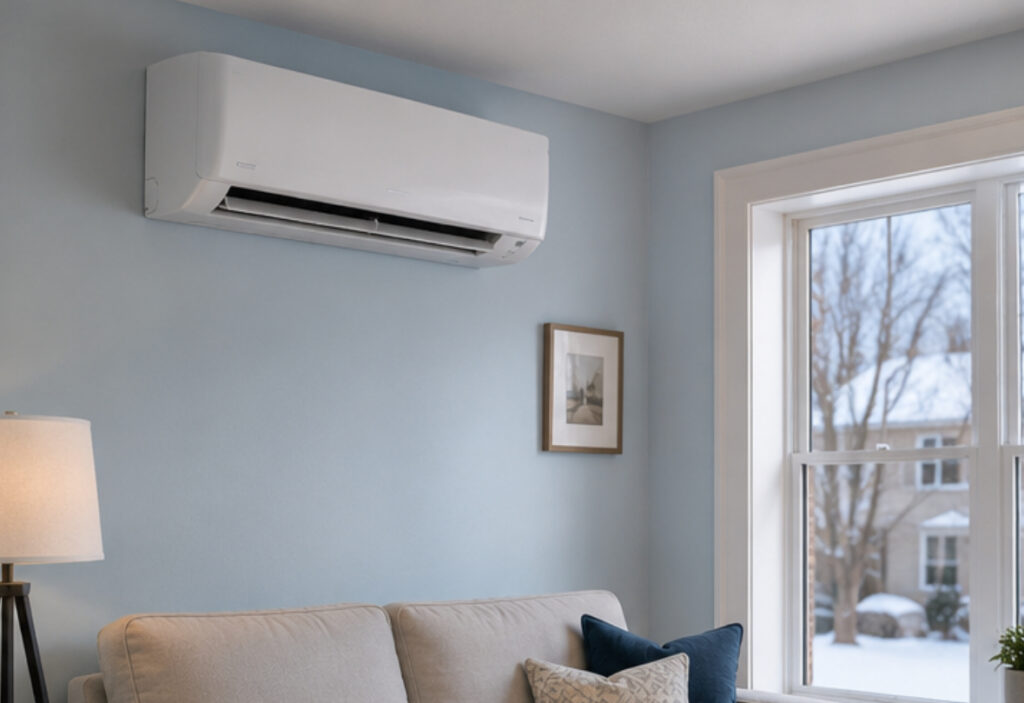
A ductless mini-split is much more than a modern alternative to a window air conditioner. These systems use advanced inverter technology to adjust output continuously based on the room’s actual heating and cooling needs, rather than turning fully on and off like many traditional systems.
For homeowners in Massachusetts, this flexibility is especially valuable in Cape Cod homes, older Colonials, finished basements, and additions where installing ductwork would be expensive or impractical.
Heating and Cooling in One System
Unlike a window air conditioner, a ductless mini split provides both summer cooling and winter heating. This makes it an excellent choice for rooms that are uncomfortable year-round, such as bonus rooms, sunrooms, and second-floor bedrooms that overheat in July and feel chilly in January.
Superior Energy Efficiency
Most modern mini splits achieve high SEER2 and HSPF2 ratings, allowing them to deliver more heating and cooling with less electricity. For Massachusetts homeowners facing high utility costs, this improved efficiency can translate into meaningful savings over the life of the system.
Zoned Comfort Control
Each indoor unit operates independently, allowing you to set different temperatures for specific areas of the home. This is particularly useful in multi-story houses where finished basements, bedrooms, and living spaces often have very different comfort needs.
Whisper-Quiet Operation
Because the compressor is located outdoors, indoor units operate much more quietly than window ACs. Many homeowners choose mini splits for nurseries, home offices, and bedrooms where noise reduction is an important part of overall comfort.
Because they combine year-round heating, excellent efficiency, quiet performance, and room-by-room control, many homeowners see professional ductless mini split installation as a long-term comfort upgrade rather than a temporary cooling solution.
Upfront Costs vs Long-Term Energy Savings
At first glance, a window air conditioner appears much more affordable. A typical unit may cost only a few hundred dollars, while a professionally installed ductless mini split represents a larger investment.
However, the upfront price tells only part of the story. Mini splits generally consume less electricity, provide year-round heating, and may qualify for incentives through Mass Save and federal tax credits.
Comparing Value Over Time
| Factor | Window AC | Ductless Mini Split |
|---|---|---|
| Initial Cost | Lower | Higher |
| Installation | Minimal | Professional installation required |
| Operating Efficiency | Moderate | High |
| Heating Capability | No | Yes |
| Rebates Available | Rarely | Often eligible |
| Long-Term Value | Short-term solution | Permanent comfort upgrade |
For homeowners planning to stay in their home and improve year-round comfort, a professionally installed heat pump installation often provides stronger long-term value than repeatedly replacing window air conditioners.
Which Option Is Better for Bedrooms, Additions, and Older Homes?
The best cooling solution often depends on the type of room you are trying to make more comfortable. A window air conditioner may be sufficient for a guest bedroom that is used only a few weeks each summer. But if the space is occupied daily, or if you want quieter operation and year-round heating, a ductless mini split is usually the better long-term investment.
In many Massachusetts homes, mini splits are especially effective in areas that were never designed with central air in mind.
Second-Floor Bedrooms
Older Cape Cod and Colonial homes frequently have upstairs bedrooms that become several degrees warmer than the first floor. A properly sized ductless mini-split can cool these rooms quietly and efficiently without blocking windows.
Home Additions and Sunrooms
Room additions often have unique heating and cooling needs. Rather than extending ductwork, many homeowners choose a professional ductless mini split installation to provide independent comfort control.
Finished Basements
Basements can feel damp in summer and chilly in winter. Mini splits offer both cooling and heating, making them an ideal solution for year-round use.
Older Homes With Boiler or Radiator Heat
Many New England homes rely on hydronic heating and have no existing ductwork. In these properties, ductless systems provide efficient cooling and supplemental heating without major renovations.
How Massachusetts Rebates Can Make Mini Splits More Affordable
One of the biggest advantages of choosing a ductless mini split over a window air conditioner is the potential to qualify for financial incentives. While window units rarely offer any rebate opportunities, high-efficiency mini splits may be eligible for programs through Mass Save and federal tax credits.
These incentives can significantly reduce the upfront cost and improve the overall return on investment.
Potential Financial Benefits
| Incentive Type | Possible Savings |
|---|---|
| Mass Save Rebates | Potentially several thousand dollars depending on eligibility |
| Federal Tax Credits | Up to $2,000 for qualifying systems |
| Mass Save HEAT Loan | 0% financing up to $25,000 |
For many homeowners, these incentives make a professionally installed ductless mini split installation much more affordable than expected.
When Professional Installation Makes the Biggest Difference
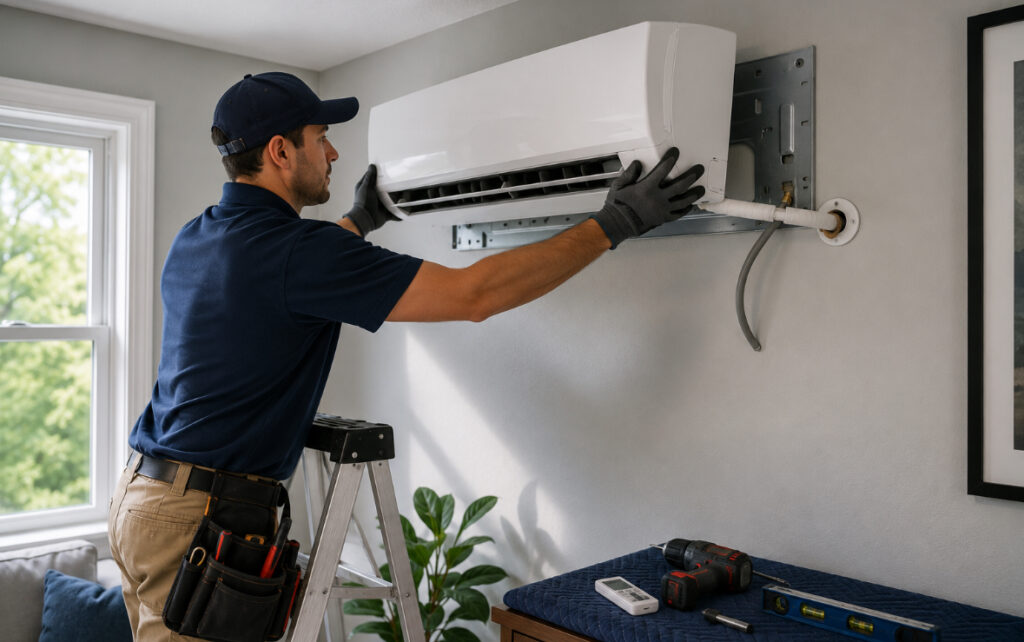
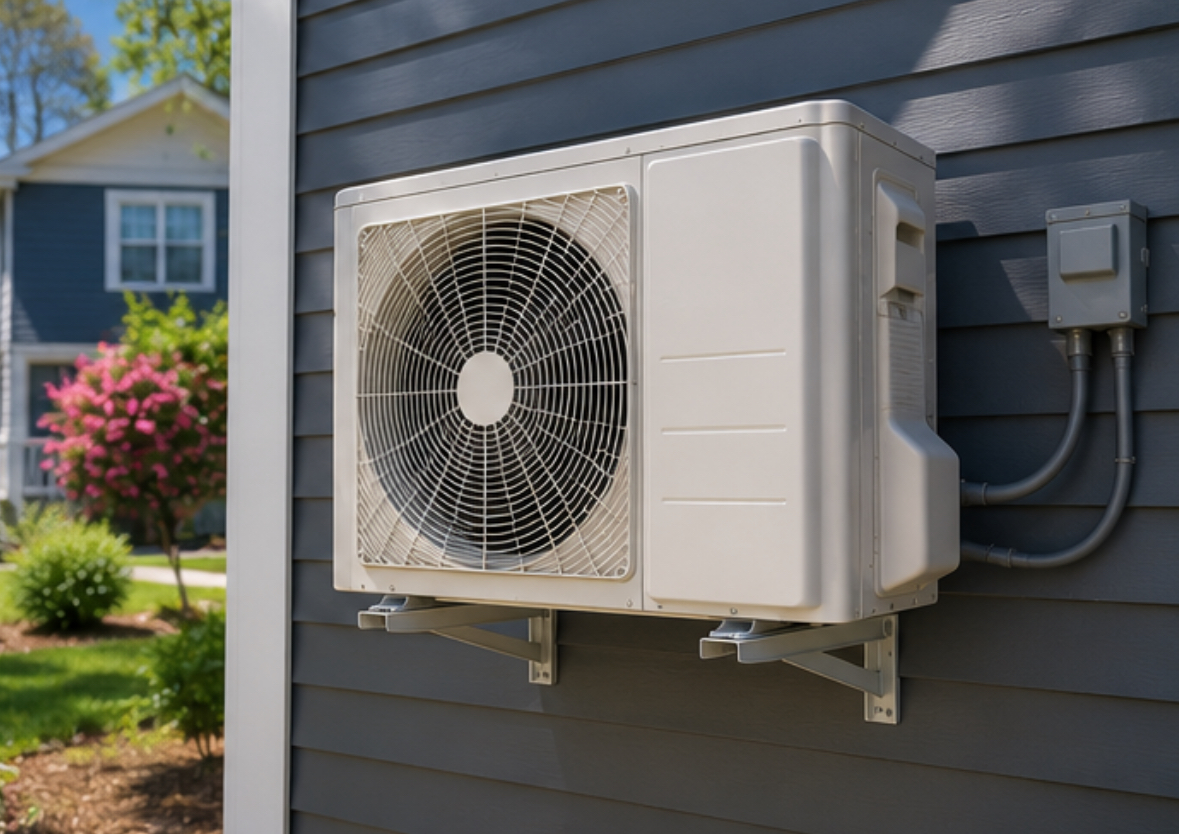
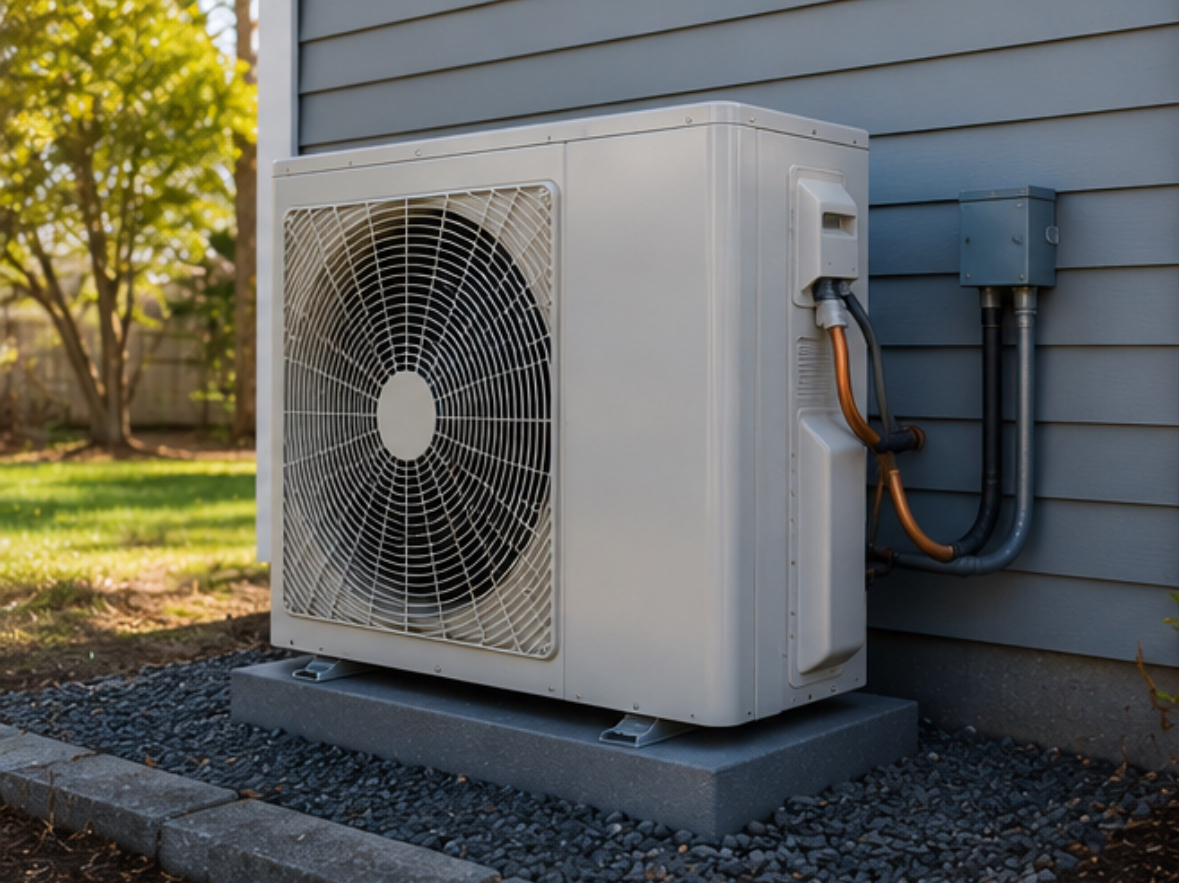
A ductless mini-split may look straightforward, but the difference between “it works” and “it works exceptionally well for the next 15 to 20 years” comes down to installation quality. Proper design affects everything from how quietly the system runs to how evenly it cools your home during humid Massachusetts summers and how effectively it heats during January cold snaps.
An experienced contractor does much more than mount an indoor unit on the wall. They evaluate your home’s layout, insulation, sun exposure, and electrical capacity to ensure the system is tailored to the way you actually use the space.
What a Skilled Installer Gets Right
- Correct Capacity for the Room: The system is sized to match the square footage, ceiling height, insulation levels, and window exposure so it cools efficiently without short cycling.
- Best Indoor Unit Location: Wall units are positioned to distribute air evenly across the room rather than blowing directly onto beds, sofas, or workspaces.
- Clean Refrigerant Line Routing: Piping and drains are installed neatly and protected from weather, preserving both appearance and long-term reliability.
- Condensate Drainage That Works Properly: Moisture is removed safely to prevent leaks, stains, and humidity issues inside the home.
- Electrical and Code Compliance: Disconnects, circuits, and wiring are installed according to local Massachusetts code requirements and manufacturer standards.
- Complete Startup and Performance Testing: The installer verifies refrigerant pressures, airflow, thermostat operation, and heating and cooling performance before the job is considered complete.
A well-installed system will operate more quietly, control humidity better, and deliver the comfort you expected from day one. To protect your investment, choose an experienced ductless mini split installation contractor who takes the time to design the system properly rather than treating the job as a simple equipment swap.
Why Choose Peach Heat and Cool for Ductless Mini Split Installation in Massachusetts
Choosing between a window air conditioner and a ductless mini split is ultimately about deciding how you want your home to feel, not just this summer, but for many years to come. If you are looking for quieter operation, lower energy bills, and year-round heating and cooling, a ductless system often provides far greater value than a temporary window unit.
Peach Heat and Cool proudly serves homeowners in Taunton and throughout southeastern Massachusetts. We specialize in professional ductless mini split installation for older homes, room additions, finished basements, and hard-to-cool spaces.
Our team provides honest recommendations, careful system design, and quality workmanship so you can invest confidently in a comfort solution that performs efficiently in both humid Massachusetts summers and cold New England winters.