Skip to content

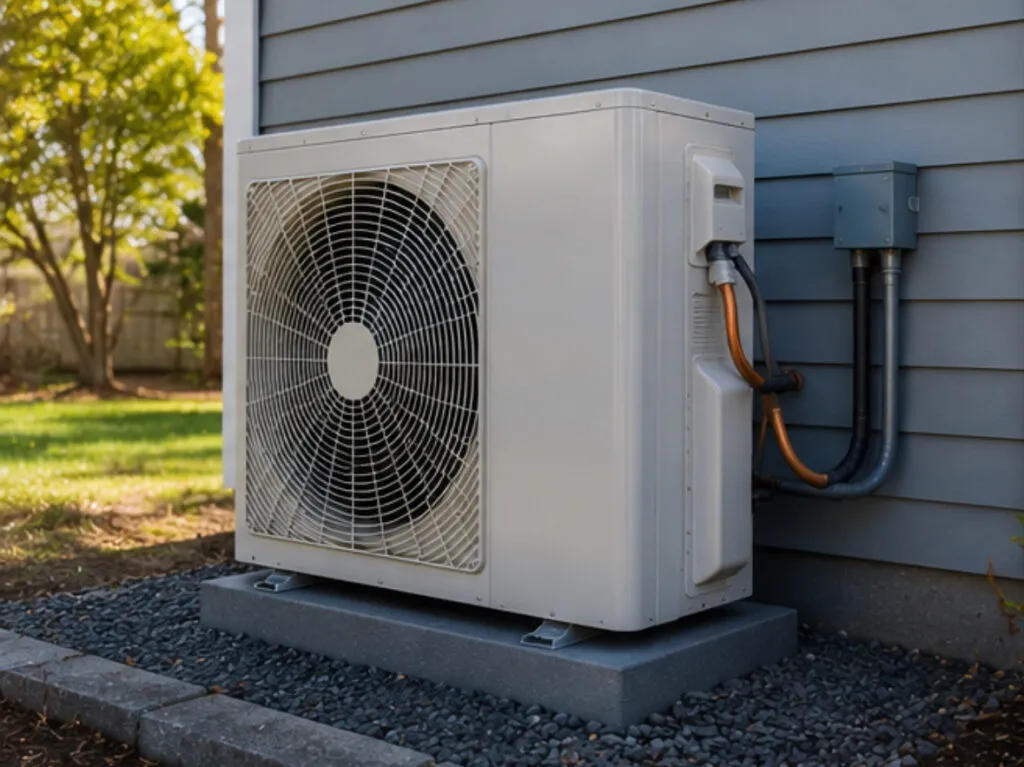
If you are thinking about replacing your aging air conditioner or upgrading to a more efficient comfort system, you may be wondering whether you have already missed the ideal time to install a heat pump. The good news is that spring and even early summer are still excellent times to make the switch. In fact, many homeowners across Massachusetts schedule installations between April and June so they can enjoy efficient cooling before the hottest and most humid weather arrives.
Modern heat pump systems provide both cooling and heating, making them an attractive option for Cape-style homes, Colonials, ranch houses, and newer high-performance homes throughout the South Shore and Greater Boston region. Read below to learn why it is not too late to schedule a professional heat pump installation and how a properly designed system can improve comfort, lower energy use, and provide year-round value.
Why Spring and Early Summer Are Still a Great Time to Install a Heat Pump

Many homeowners assume that if they did not schedule a new system during the winter, they should wait until next year. In reality, spring and early summer are among the most practical times to install a heat pump in Massachusetts.
By May and June, outdoor temperatures are rising, but HVAC contractors often still have enough scheduling flexibility to complete installations before the peak cooling season. Installing before July also allows you to test the system and become familiar with its operation before the hottest and most humid weeks of the year.
Advantages of Installing Heat Pump Before Peak Summer
- Prepare for Hot Weather: Your new system is ready before temperatures climb into the upper 80s and 90s.
- Avoid Emergency Replacements: You can plan the project instead of waiting for your old AC to fail.
- Take Advantage of Incentives: State and utility rebates may be available while funds remain open.
- Improve Summer Comfort: Heat pumps provide excellent humidity control during muggy Massachusetts weather.
- Lock In Contractor Availability: Scheduling is often easier before the busiest part of the season.
For homeowners in Taunton and surrounding communities, spring and early summer remain an ideal time to schedule a professional heat pump installation.
How Heat Pumps Keep Massachusetts Homes Cool and Efficient in Summer
Although many people think of heat pumps primarily as heating systems, they also function as highly efficient air conditioners. During the summer, the system extracts heat from indoor air and transfers it outdoors while removing excess humidity at the same time.
This is especially valuable in Massachusetts, where July and August often bring warm temperatures combined with sticky coastal humidity. A properly sized heat pump can maintain more even temperatures and reduce that clammy feeling many homeowners experience with older single-stage air conditioners.
Why Homeowners Appreciate Heat Pumps in Summer
Better Humidity Control
Variable-speed systems adjust output gradually, helping remove moisture more consistently and improving indoor comfort.
Quieter Operation
Modern outdoor units typically run much more quietly than older condensers.
Lower Energy Consumption
High-efficiency systems with advanced inverter technology can use significantly less electricity than aging cooling equipment.
More Consistent Temperatures
Longer, steadier cycles help reduce hot and cold spots throughout the home.
When installed correctly, a modern heat pump can deliver both exceptional summer cooling and dependable winter heating in a single system.
What Factors Affect Heat Pump Installation Timelines

One of the most common questions homeowners ask is, “How long will the installation take?” In our experience, most residential heat pump projects in Massachusetts are completed in one to three days, but the actual timeline depends on how your home is built and how much preparation is required before the equipment can be installed.
A single-zone ductless mini-split in a bonus room may be completed in one day, while a whole-home system replacing an older central air conditioner or oil furnace often involves additional electrical work, equipment removal, and permit coordination.
Type of Heat Pump System
The scope of the installation has the biggest impact on timing. A single outdoor unit with one indoor wall-mounted head is typically much faster to install than a multi-zone system serving several bedrooms and living areas. Fully ducted systems also require more setup, testing, and airflow adjustments before they are ready to operate.
Electrical Upgrades and Panel Capacity
Many older Massachusetts homes, especially Colonials and Cape-style houses built several decades ago, may need a dedicated circuit or electrical panel upgrades before the new system can be connected safely. Coordinating with a licensed electrician and obtaining any required permits can add additional time to the overall project schedule.
Home Layout and Equipment Placement
Finished attics, stone foundations, tight basements, and plaster walls can make refrigerant line routing and indoor unit placement more complex. In our experience, careful planning is especially important in older New England homes where preserving finished surfaces and maintaining a clean appearance are top priorities for homeowners.
Permits and Local Inspections
Depending on the town or city, mechanical and electrical permits may be required before installation begins. Communities such as Taunton and surrounding municipalities may also require inspections to verify that the system complies with current code and manufacturer installation standards.
Removal of Existing Equipment
Replacing an aging air conditioner, air handler, or oil-based heating system adds time because the old equipment must be disconnected, removed, and disposed of properly. Additional cleanup and minor duct modifications are also common when transitioning to a modern heat pump system.
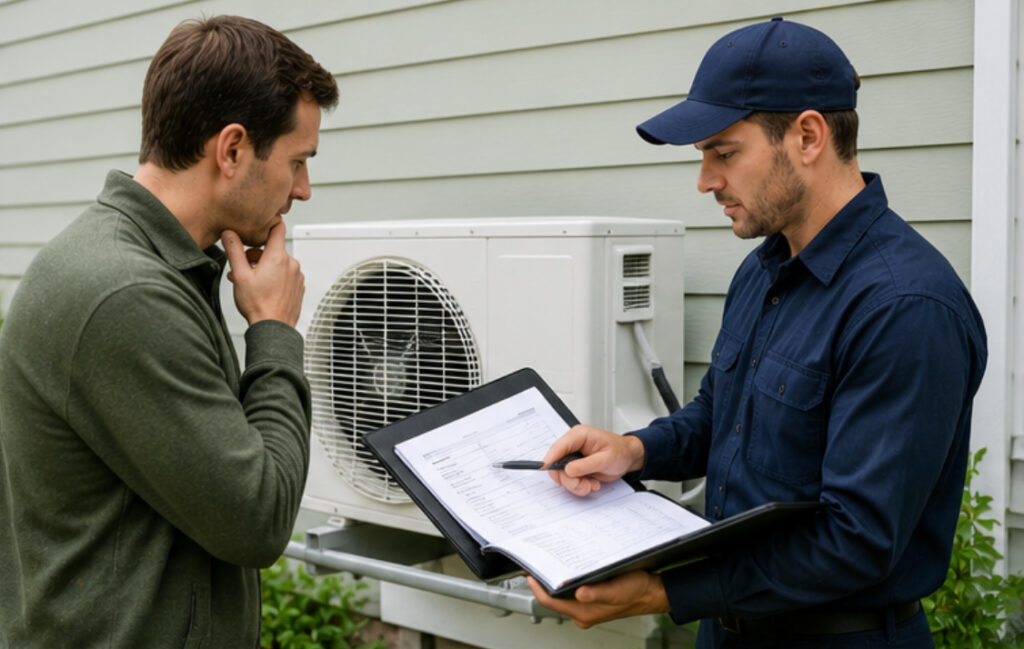
An experienced heat pump installation contractor will evaluate these details during the initial consultation and provide a realistic timeline so you know exactly what to expect before the work begins.
When Replacing an Older AC System With a Heat Pump Makes Sense
If your current air conditioner is more than 10 to 15 years old, requires frequent repairs, or struggles to keep your home comfortable during humid weather, replacing it with a heat pump may be a smart long-term investment.
Many Massachusetts homeowners are choosing heat pumps when their existing cooling systems begin to decline because one upgrade can provide both efficient air conditioning and supplemental or primary heating.
Signs It May Be Time to Upgrade
- Your air conditioner is over 10–15 years old
- Summer electric bills continue to rise
- Certain rooms feel humid or unevenly cooled
- Repairs are becoming more frequent
- You want to reduce reliance on oil or propane heating
By replacing an aging AC system proactively, you can improve comfort, increase efficiency, and take advantage of available rebates while avoiding the stress of an emergency breakdown during the hottest part of summer.
Rebates and Incentives Available for Massachusetts Homeowners

One of the strongest reasons to install a heat pump in Massachusetts is the availability of substantial rebates and tax incentives. Many homeowners are able to reduce their out-of-pocket cost by several thousand dollars when they replace older air conditioning or oil-based heating equipment with qualifying high-efficiency systems.
Programs administered through Mass Save, along with federal incentives from the Internal Revenue Service, can make upgrading to a heat pump far more affordable than many people expect.
Major Incentive Programs to Know About
Mass Save Heat Pump Rebates
Mass Save offers some of the most generous heat pump incentives in the country. Depending on the project type, homeowners may qualify for rebates that range from several thousand dollars up to $10,000 or more for whole-home heat pump conversions that meet program requirements. Partial-home installations may also qualify for meaningful rebates.
Federal Energy Efficiency Tax Credits
Under the Inflation Reduction Act, eligible heat pump systems may qualify for a federal tax credit of up to 30% of the project cost, with a current annual cap of up to $2,000 for qualifying equipment.
Mass Save HEAT Loans
Qualified homeowners may also be eligible for the Mass Save HEAT Loan program, which can provide 0% interest financing up to $25,000 for approved energy-efficiency improvements, including heat pump installations.
Example of Potential Savings
| Incentive Program | Potential Benefit |
|---|---|
| Mass Save Rebate | Up to $10,000+ depending on eligibility and project scope |
| Federal Tax Credit | Up to $2,000 |
| Mass Save HEAT Loan | 0% financing up to $25,000 |
Because rebate amounts, program rules, and income-based incentives can change over time, it is important to work with an experienced contractor who stays current on available programs. A knowledgeable heat pump installation specialist can help you understand which incentives apply to your home and guide you through the paperwork so you can maximize every available savings opportunity.
How Professional Installation Ensures Peak Performance
A heat pump is only as effective as the design and installation behind it. Even the most efficient equipment can underperform if it is oversized, poorly located, or installed without careful attention to airflow, refrigerant charge, and electrical requirements.
Professional installers evaluate insulation levels, window exposure, room layout, and heating and cooling loads to ensure the system is properly matched to your home. This is especially important in Massachusetts, where equipment must deliver efficient cooling in summer and dependable heating during freezing winter temperatures.
Key Elements of a Quality Installation
- Detailed heating and cooling load calculations
- Proper equipment sizing and placement
- Correct refrigerant charging
- Electrical connections meeting local code
- Airflow balancing and system testing
When these details are handled correctly, homeowners benefit from quieter operation, improved humidity control, lower utility costs, and more consistent comfort throughout the year.
What to Expect During the Heat Pump Installation Process
If you have never installed a heat pump before, the process may seem more complicated than it actually is. In most Massachusetts homes, installation follows a well-organized sequence designed to minimize disruption and ensure the system is set up for long-term performance.
Whether you are upgrading a Cape-style home in Taunton or replacing an older air conditioner in a Colonial elsewhere in the state, knowing what to expect can help you feel more confident about the project.
Typical Steps in a Professional Heat Pump Installation
- In-Home Evaluation and Load Calculation: The contractor measures your home, reviews insulation, window exposure, and existing equipment, and performs heating and cooling calculations to recommend the right system size.
- Equipment Selection and Incentive Planning: You review system options, efficiency ratings, indoor unit locations, and available rebates through programs such as Mass Save.
- Permits and Scheduling: Required electrical and mechanical permits are obtained, materials are ordered, and installation dates are confirmed.
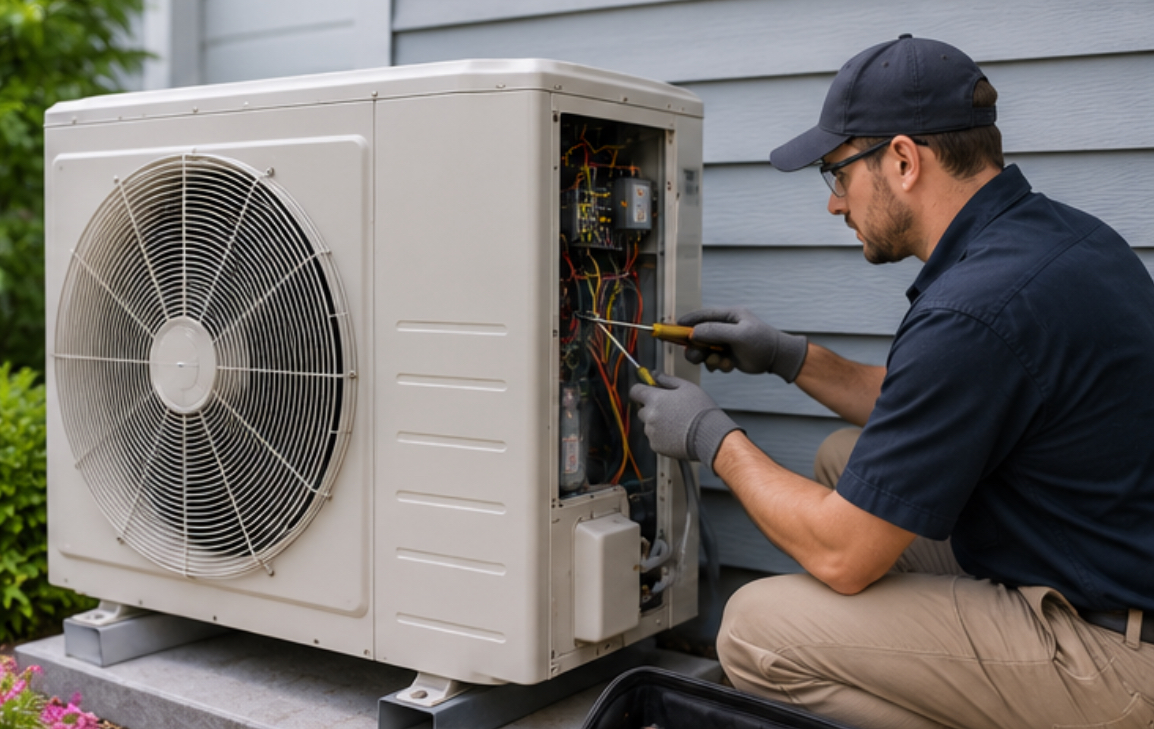
- Installation and System Setup: Technicians install the outdoor condenser, indoor air handler or wall-mounted units, refrigerant lines, electrical connections, condensate drains, and thermostat controls.
- Testing and Homeowner Walkthrough: The system is fully tested for airflow, refrigerant performance, and control settings, and you receive guidance on operation, maintenance, and best thermostat practices.
Most homeowners are pleasantly surprised by how smoothly the process goes when the project is carefully planned from the beginning. To ensure the installation is completed correctly, choose a qualified heat pump installation contractor who performs proper system design, explains each step clearly, and stands behind the quality of the work.
Why Choose Peach Heat and Cool for Heat Pump Installation in Massachusetts
Choosing the right heat pump contractor is just as important as choosing the right equipment. You need a company that understands New England weather, local permitting requirements, and how to design systems that perform efficiently in both humid summers and cold winters.
Peach Heat and Cool proudly serves homeowners in Taunton and throughout southeastern Massachusetts. We specialize in professional heat pump installation for Cape Cod homes, Colonials, ranch houses, and other New England property styles.
Our team provides honest recommendations, careful system design, and quality workmanship focused on long-term comfort and energy efficiency. If you are wondering whether it is too late to install a heat pump before summer, the answer is no—and now is still an excellent time to upgrade to a system that will keep your home comfortable all year long.